Blast Freezer Explained: Fast Freezing Solution for Food Safety
When it comes to refrigeration units and cooling solutions, a blast freezer is one of the most powerful ones. Because of this, it is important to maintain freshness, safety, and quality in the poultry industry. Unlike a normal freezer, this form of freezer quickly brings down the temperature of the designated area, preventing bacterial growth and preserving the freshness of the food, regardless of whether it is vegetables and herbs, or meat and poultry. That said, you do have to note that there are different types of blast freezers and each of them has its own use.
In this blog, we provide you with a general guide on blast freezers and their significance in food safety. So, keeping this in mind, let's get started!
What is a blast freezer?

A blast freezer is a high-capacity freezing system designed to drop the temperature of food products really fast. The unit makes use of high-velocity air that is cooled to the extreme for quick freezing. This form of extreme cooling can bring down the core temperature of poultry, meat, seafood, and processed items to safe levels within a very short time. This fast fall in temperature reduces the time that food spends in the "danger zone" where bacteria multiply most rapidly, thus making the freezing process much safer and more hygienic.
Meanwhile, this kind of fast freezing protects the natural structure of the food, too. When the temperature goes down rapidly, only very small ice crystals form inside the product, thus not damaging the cells and preserving the original texture, color, and moisture. Because of that, a blast-frozen food will be fresher in taste, too, and retain high nutritional value.
Key Benefits of Using a Blast Freezer.
As previously stated, the blast freezer seals in nutrition and flavor. These are only two of several advantages with the usage of using a blast freezer. Besides preserving the food, it also prevents bacterial growth, maintains natural texture and taste, enhances shelf life, and ensures compliance with food safety. The key benefits are further explained with just a bit more detail.
Locks in Freshness and Nutrients
The quick drop in temperature minimizes moisture loss and prevents nutrient degradation. Poultry stored in this freezer maintains the same nutritional value, color, and overall quality even after long storage.
Prevents Bacterial Growth
Bacteria multiply rapidly when food cools slowly. A blast freezer does this by forcing extremely cold air through the product, cooling the temperature quickly enough to stop bacterial growth and maintain safety for handling.
Keeps the Natural Texture and Taste
Rapid freezing forms minute ice crystals, rather than large ones capable of damaging meat fibers. In essence, it protects the natural tenderness, juiciness, and flavor of chicken; when it has thawed, the taste of chicken is almost like fresh meat.
Extends Shelf Life
Blast freezers also extend the usable life of poultry products, since the rate of microbial activity, along with enzymatic reactions, is greatly reduced, which is very important for exporters and distributors or facilities needing long-term frozen storage without quality loss.
Ensures compliance pertaining to food safety.
Modern standards of food safety depend on controlling temperature with strictness. Blast freezers help achieve HACCP and national regulations by getting poultry to safe core temperatures fast, therefore reducing the risk of contamination.
Why Is a Blast Freezer Better Than a Normal Freezer?
Now, after knowing what the device is and its benefits, one may have this question in mind: Is a blast freezer better than a normal freezer? In a lot of aspects, yes - it is indeed better than a normal freezer. While a regular freezer freezes slowly and irregularly, this form of freezer freezes products quickly right down to its core preventing large ice crystals from forming that may cause texture damage and moisture loss in slowly frozen meat.
The sudden fall in temperature also reduces the danger zone where bacteria can multiply, thereby making the process much safer for poultry items and other perishable foods. For businesses handling fresh, processed, or export-bound chicken, this form of freezer ensures better preservation, longer shelf life, and consistent product integrity—benefits that a standard freezer simply cannot match.
Role Of Blast Freezer in Food Safety
A blast freezer is an absolute necessity in the food industry, especially to ensure the safety of food. It plays an important role in modern food safety, especially within the poultry industry, which is much more critical than vegetables and fruits, red meat, or seafood. Poultry tends to harbor harmful bacteria such as Salmonella, Campylobacter, and E. coli—all of which flourish when food cools slowly. Therefore, quick freezing here is not just advantageous but absolutely necessary.
Additionally, this freezer minimizes these risks by rapidly dropping the temperature of food with powerful, ultra-cold air circulation. This rapid drop in temperature will almost immediately stop bacterial growth, preventing the multiplication of any pathogens during this critical cooling stage. Unlike conventional freezers, which take hours to freeze the core, a blast freezer moves poultry out of this "danger zone" much faster, thereby ensuring safety for consumption.
Blast freezers help producers, processors, and exporters maintain food safety compliance consistently and ensure better quality of products with an extended shelf life, all in accordance with the strictest international standards. In an industry where compromise on safety cannot be made, the blast freezer stands among the most important devices to protect consumer health and maintain the integrity of poultry products.
Types of Blast Freezers for Poultry
Before we talk about blast freezers for poultry safety, we first need to understand a bit more about the types and a few other aspects. Starting with the types of blast freezers for poultry, you need to know that not all forms of blast freezers are the same, not even within the poultry niche. Depending on the types of blast freezer, their effect and role differ. Some of the key types of blast freezer include:
Blast Freezer Room
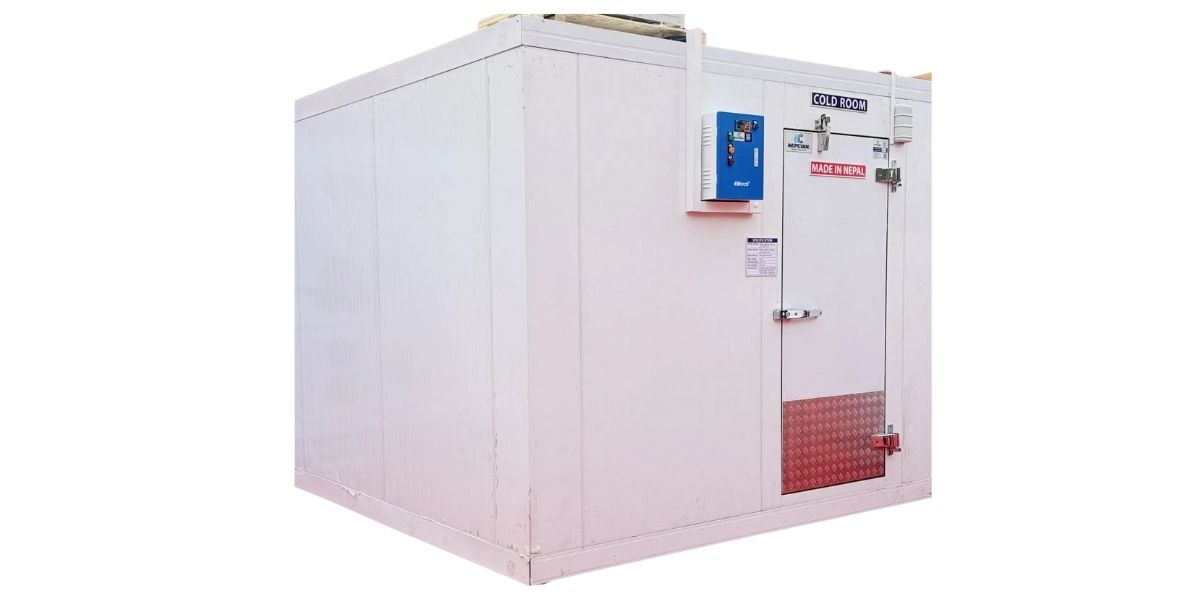
A blast freezer room is a large, walk-in freezing chamber designed for bulk poultry processing. It uses powerful fans and low-temperature refrigeration systems to freeze large volumes of whole chickens, cartons, and packaged products at once. Ideal for medium to large processing plants, it allows efficient batch freezing, easy loading, and seamless movement of products using trolleys or pallets.
Cabinet/Box Blast Freezers
Cabinet or box-style freezers are compact units of construction designed for smaller batches. These models are well-suited for small and medium-sized poultry establishments, butcher shops, and restaurants that require quick freezing with minimal space requirements. They provide accurate temperature control and rapid cooling, which is very convenient for a variety of cold foods: chicken parts, marinated items, and small packaged products.
Spiral Blast Freezers for high-volume plants
Spiral blast freezers are designed for high-output poultry production lines. This continuous conveyor system moves products through ultra-cold air in a spiral path so that the freezing of products is uniform and consistent. It is the ideal choice for large-scale factories involved in processed poultry items, frozen chicken cuts, nuggets, sausages, and export-grade products.
Common Uses of Blast Freezers in the Poultry Industry

Depending on the type of blast freezer for poultry, they have a wide range of uses. They can be used for freezing the whole chicken, just the parts, processed poultry items, or just for storing them for export. Here are a bit more details regarding the common uses of blast freezers in the poultry industry.
Freezing Whole Chicken
Whole chickens are rapidly cooled to safe temperatures in blast freezers, which prevents bacterial growth while preserving moisture and texture. Frozen products of such quality assure both domestic markets and export markets.
Freezing Chicken Parts- Wings, Breast, Legs
Different cuts of chicken freeze at different rates. Blast freezers ensure each part reaches the correct core temperature quickly, maintaining freshness, preventing freezer burn, and improving shelf life.
Freezing Processed Poultry Products
The blast-freezing technique does a lot of good for ready-to-cook and processed items such as nuggets, marinated pieces, sausages, and shredded chicken. Fast freezing secures the flavors, impedes changes in texture, and lowers microbial activity. Export and Large Distributors Storage Blast freezing is also crucial for export-oriented poultry companies in meeting international standards for food safety. Blast freezers allow long-term storage without compromising product color, structure, or taste.
Storage for Export and Large Distributors
Export-oriented poultry companies rely on blast freezing to comply with international food safety standards. Blast freezers allow long-term storage without compromising product color, structure, or taste.
Temperature Requirements for Blast Freezing Poultry
As one of the best units for keeping the poultry safe, a blast freezer is undoubtedly a necessity in the poultry industry. However, even if you have the right type of freezer, keeping poultry - a food item that can spoil easily when not stored properly - safe for long requires a specific blast freezer temperature to ensure safety.
Poultry is highly sensitive to temperature changes and has a high risk of bacterial contamination when compared to other food items. Therefore, in commercial operations, blast freezing is generally carried out at extremely low temperatures. The temperature needed for this is between –35°C and –40°C. These extremely cold conditions cause the product temperature to drop rapidly, driving it through the danger zone where bacteria can multiply most rapidly. The objective in this step is to have the center temperature of the meat reach –18°C or lower as soon as possible.
Getting to this temperature quickly helps stop microbial activity and prevents the further proliferation of pathogens like Salmonella and Campylobacter, apart from retaining the natural moisture and texture of the meat.
Use of Blast Freezer in Poultry Safety.
By nature, blast freezers are an essential tool in all forms of food safety, especially in poultry. This is because poultry is highly perishable and is prone to bacterial contamination. By quickly reducing the temperature of the poultry, blast freezers lower this risk and preserve nutritional value along with natural texture. Their application becomes very important in industrial and commercial activities where large volumes of poultry are processed and distributed. A blast freezer ensures safety in poultry mainly through the following key applications:
- Rapid Cooling of Whole Chickens: Blast freezers cool the whole chickens to a safe core temperature rapidly, such that bacterial multiplication is stopped, hence making the meat safe for consumption.
- Freezing of Chicken Parts: Chicken wings, chicken breasts, legs, and other parts are frozen efficiently to conserve moisture, texture, and flavor with a minimum risk of contamination.
- Processed Poultry Products: Ready-to-cook products, marinated items, and shredded chicken-in particular, from rapid freezing to lock in freshness and flavor, maintaining nutrient content and ensuring complete safety.
- Prevention of Pathogen Growth: Blast freezing reduces the time and window in which harmful bacteria, such as Salmonella and Campylobacter, grow, making poultry safer for consumption.
Now, do note that although we specifically talk about poultry here, the same principles and uses apply to any other food, be it vegetables, fruits, or any form of meat. The only caveat here is that poultry is susceptible to degradation when compared to others by a fair margin. You can essentially take every aspect we have talked about so far about blast freezers in poultry, and implement it to any other food.
Factors to Consider Before Choosing a Blast Freezer
Before we conclude, let's talk a little about the different factors to consider before choosing a food industry blast freezer. Some such key factors include the following.
- Capacity and size: Select a freezer that will match the volume of poultry you want to freeze daily for efficiency.
- Energy Consumption: Look for an energy-efficient model; it reduces operation costs, yet maintains fast freezing.
- Construction and hygiene materials: The freezer must be made from food-safe materials that facilitate easy cleaning to comply with safety standards.
- Installation Area: Verify that your location has adequate space for the freezer and permits an uninterrupted workflow.
- Maintenance Needs: Ensure the freezer is serviceable with reachable parts for lasting dependability
Do note that these are just the key factors. Additional specifics differ depending on the needs and niche of the food industry and the food safety standards practiced.
Conclusion
A blast freezer is an advanced type of refrigeration unit that is designed to rapidly reduce the temperature of food. This function is especially helpful in preserving the quality of food and keeping it safe for longer, especially in the food industry, such as poultry, where the product degrades quickly. Using a blast freezer in these industries prevents bacterial growth while keeping the texture, taste, and nutrients intact.
In this blog, we shared with you numerous insights on blast freezers and their usage in food safety, using the poultry industry as a standard. We hope you found this helpful. If you think you need more insights into the various aspects of refrigeration units like blast freezers and cold storage rooms, then take a look at some of our other blogs. And if you want to implement a blast freezer into your cold storage room or want the best cold storage room, look no further than Nepcool - the best manufacturer of cold storage rooms and refrigeration transport in Nepal.
Also Read:
Guide to Cold Room Temperature for Meat Storage
Cold Storage Business in Nepal: A Profitable High-ROI Opportunity
FAQ on Blast Freezer Explained
What is the use of a blast freezer?
This allows the Blast Freezer to freeze the food product rapidly, particularly poultry, to prevent bacterial growth, while preserving freshness, texture, and nutrients. This, in turn, ensures that the core temperatures of the food are down within a safe range rapidly, reducing the risk of contamination. The use of blast freezers is common at processing plants, restaurants, and export operations.
What is the difference between cold storage and a blast freezer?
Cold storage preserves food at low temperatures over a considerable period to delay spoilage, while, on the other hand, a blast freezer uses colder temperatures to freeze foods very quickly. Applications for cold storage primarily involve storing frozen or chilled products, while blast freezers deal with freezing fresh products right after their processing. This fast freezing process will help maintain quality and prevent bacterial growth better than the usual cold storage.
What is blast freezing?
In blast freezing, ultra-cold air with very high velocity circulates around the food to reduce its temperature rapidly. This causes the formation of small ice crystals and preservation of the texture, taste, and nutrients of the food. Blast freezing finds its applications in poultry, seafood, and processed food industries with regard to safety and quality.
