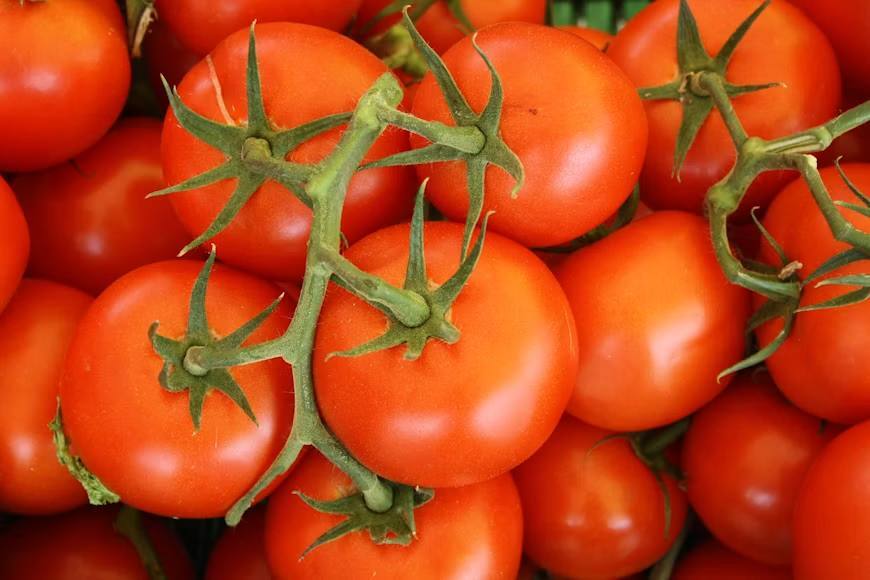
Cold Storage for Tomatoes: Ideal Temperature and Shelf Life
Tomato has been one of the most prominent ingredients used in Nepalese cuisine. It is consumed in a variety of food items across the country. Tomatoes are delicate and highly perishable, so they lose freshness, softness, and quality if they are not properly stored at the appropriate temperature. As tomatoes are not easy to keep fresh for several days after harvest, a cold storage room helps to keep them fresh. Proper temperature control also helps to slow down the ripening process of the tomatoes and to extend the ripening time. In this process, cold room storage plays an important role in extending the shelf life of tomatoes and minimizing post-harvest losses. For farmers, suppliers and businesses who manage large quantities of tomatoes, it can be a practical solution to have a cold room for tomatoes. The knowledge on the tomato temperature, shelf-life and storage condition is essential to promote the tomato quality and minimize the tomato losses post-harvest.
In this blog, we explore the ideal temperature for tomatoes, how long it lasts in cold storage, their shelf life by ripeness, why temperature matters for tomato storage, how to store tomatoes in cold storage and tips for extending tomato shelf life.
What is the Ideal Temperature for Storing Tomatoes?
Businesses maintaining the proper temperature can keep tomatoes fresh, quality and tasteful. Tomatoes continue to ripen after harvest, and must be stored at various temperatures based on maturity. The proper storage temperature of a cold room for tomatoes varies according to their level of ripening. Mature green tomatoes can ideally be stored at 12.5-15°C (55-60°F). In mature green tomatoes, their ripening process is slowed down and at the same time their quality remains good. As tomatoes become more mature, they can be stored at lower temperatures for shorter periods. Light red tomatoes can be stored at 10-12.5°C (50-55°F) and firm ripe tomatoes at 7-10 °C (44-50°F) for a couple of days. Temperature should be regulated properly since tomatoes are prone to chilling injuries, and extremely low temperatures may affect their coloring, ripening rate, texture and spoil the tomatoes. In addition to temperature, maintaining a relative humidity around 90-95% reduces moisture loss and keeps the tomatoes firm.
How Long Do Tomatoes Last in Cold Storage?
Once tomatoes are picked, their freshness period depends on several different aspects. The shelf life of tomatoes varies based on the degree of ripeness, variation, temperature, and condition when harvested. So, a cold room for tomatoes has become an essential part of businesses. Generally, the shelf life of ripe tomatoes is shorter when kept at room temperature while the less ripe tomatoes have longer shelf life when stored properly. Good cold storage reduces the ripening process and ensures a longer storage period for tomatoes that are suitable for sale. The following table shows the comparison between different types of tomatoes and the ideal temperature for them:
|
Tomato ripeness |
Without cold storage |
Recommended cold storage |
Approx. shelf life in cold storage |
|
Mature green |
Around 1–2 weeks under suitable ambient conditions |
12.5–15°C (55–60°F) |
Up to 14 days before ripening |
|
Light red or turning |
Around 5–7 days |
10–12.5°C (50–55°F) |
Around 7–14 days |
|
Firm-ripe |
Around 2–6 days |
7–10°C (44–50°F) |
Around 8–10 days |
|
Fully ripe |
Around 2–6 days |
7-10°C (44-50°F), short-term only |
Generally a few days to about a week, depending on condition |
Why Temperature Matters for Tomato Storage?
When it comes to storing tomatoes, temperature is one of the first things to consider. Temperature is extremely critical in the preservation of tomatoes, quality and shelf-life after harvest. Tomatoes continue to ripen after harvest, proper temperatures help to slow the ripening process and ensure a better tomato condition for longer storage. Tomatoes are sensitive to temperature and are affected by both high and low temperatures. In a cold room for tomatoes, the temperature can be set in accordance with the stage of ripeness of tomatoes. Therefore, adequate conditions for the successful storage of tomatoes under cold storage is important. The importance of temperature in the storage of tomatoes is briefly described below:
1. Slows Down Ripening
Keeping tomatoes at a suitable temperature in a cold room for tomatoes can slow down their natural ripening process. This makes it easy for the farmers, suppliers, and retailers to ship and store the tomatoes without becoming overripe. It also helps to keep the ripeness level more consistent during storage. The same care is needed on the road, and refrigerated transport helps tomatoes stay fresh from the farm to the market.
2. Maintains Texture and Freshness
Proper temperature helps to preserve the texture of tomatoes as they are sensitive to improper temperature conditions. Tomatoes become easily soft in high temperatures due to the loss of moisture content, while extremely low temperature affects the texture of tomatoes. This can be avoided, and the shelf life of tomatoes can be increased if tomatoes are stored properly at the right temperature and humidity.
3. Prevents Chilling Injury
Tomatoes are sensitive to excessively low temperatures. Exposing them for too long outside of their recommended temperature range can lead to chilling injury, producing poor colour, uneven ripening and texture changes. That is why the temperature should be changed based on the ripeness of the tomato.
4. Reduces Spoilage
Maintaining a stable temperature can help slow quality deterioration and reduce the conditions that contribute to spoilage. Controlling the temperature together with the humidity level and the air circulation increases the longevity of the tomatoes while kept in storage. Checking the temperature of a cold room on a regular basis can also be helpful in detecting temperature changes before they impact the stored product.
How to Store Tomatoes in Cold Storage?

Proper storage of tomatoes not only includes putting the tomatoes in a cold storage room, but it also includes proper handling and to keep in correct storage conditions to maintain the tomato's quality. It is important to store in a cold room where the conditions are perfect for maintaining their quality. The following steps can be followed for effective storage of tomatoes.
1. Sort Tomatoes Before Storage
Before placing tomatoes in the cold room, they should be checked and removed some of them which are bruised, damaged, or showing signs of spoilage. The removal of damaged fruits from the bulk helps to prevent the spread of spoilage to healthy tomatoes. During the time of storing tomatoes, sorting helps to keep track of their condition and recognize any signs of spoilage for early detection.
2. Maintain the Right Temperature and Humidity
The temperature of a cold room for tomatoes should be maintained according to the ripeness stage of the stored tomatoes. A sufficient humidity level prevents the loss of water and maintains the firmness and freshness of the tomatoes. Stability of temperature and humidity during storage is important because the changes in these conditions affect the quality of tomatoes.
3. Allow Proper Air Circulation
Proper airflow is important in a cold room for tomatoes, as it helps maintain uniform temperature throughout the storage area. Cold rooms should not be over filled as the temperature distribution can be affected and reduce storage quality. This space between crates and walls provides even cooling throughout the cold storage room.
4. Use Suitable Crates and Packaging
While packing the tomatoes in the crates, it should be clean and sturdy to ensure there is no physical damage and pressure occurs. Don't stack many crates too heavily because this can crush tomatoes at the bottom. Good packaging also facilitates handling and shifting of tomatoes, and minimizes unnecessary damage.
5. Monitor Storage Conditions
Monitor the temperature and humidity in a cold room for tomatoes on a regular basis to ensure they are kept within the limits. The process ensures that any change in conditions is noticed earlier and corrective measures are taken to avoid affecting the tomatoes. This also ensures efficiency of the cold storage unit.
Tips for Extending Tomato Shelf Life

With proper storage conditions, careful handling before as well as during storage is equally important to increase the shelf life of tomatoes. Small differences in the handling and storage of tomatoes can have an effect on their shelf life. Regular monitoring of the stored tomatoes can also be used to detect any initial signs of quality deterioration that may occur. The tips help to extend shelf life and quality of tomatoes is briefly discussed below:
- Harvest at the right stage: It is important to harvest tomatoes at the right stage of ripening. This is done to preserve them and market them effectively. By selecting the right stage of harvesting, it ensures the preservation of quality tomatoes in storage and transportation.
- Handle tomatoes carefully: It is important for tomatoes to be handled delicately so that they do not get dropped down, squished, or stacked. Damaged tomatoes tend to ripen faster. So, there should be careful handling of tomatoes at harvest, preservation, and transport times.
- Keep the storage area clean: The storage area, including crates and other stuff should be cleaned on a regular basis to ensure a clean storage environment. Regular cleaning is an efficient way of wiping the dirt and decomposed products off, which helps in keeping the storage in good order.
- Avoid overloading the cold room: In order to prevent any kind of overloading, sufficient space needs to be kept in the cold storage room. This helps in maintaining proper air circulation in the cold room. The general quality of the tomatoes can be affected due to overcrowding, which can hinder ventilation and lead to temperature variations, resulting in product loss.
- Check tomatoes regularly: If tomatoes are stored, check them on a regular basis and throw away the spoiled tomatoes in order to protect other tomatoes from being spoiled. Regular checking helps in identifying the spoilage problem, which might become a bigger problem in future.
- Maintain stable conditions: Frequent change in temperature and humidity in the cold room creates an unstable environment. Stable storage conditions help to preserve tomato quality and freshness. The condition of the cold room is checked on a regular basis to know if the cold storage has the appropriate environment for stored tomatoes or not.
Conclusion
Putting tomatoes in a cold room is not enough on its own; maintaining the right storage environment is equally important. Temperature, humidity and airflow levels are some of the aspects that play a crucial role to keep tomatoes fresh and preserve their properties while maintaining quality. Since tomatoes continue to ripen even after being harvested, the storage area must be capable of catering to the maturity stage of the tomatoes. Having control over temperature and humidity in the cold storage can contribute to preventing quality degradation. Also, it is necessary to have efficient procedures for the handling of tomatoes during harvesting, transport and storage of the tomatoes as the tomatoes can easily rot. The proper management of a cold room for the tomatoes ensures that farmers, suppliers and businesses increase the shelf life of the tomatoes and reduce losses in the post-harvest process.
If you are searching for a trusted cold storage solution provider for your business, Nepcool is here to assist you choose and install the storage system that fits the best according to your business requirements. We're one of the best cold storage rooms and transport manufacturers in Nepal. Call Nepcool today and talk with us about your needs and determine which cold storage system is the right one for your business.
Recommended Blogs:
1. How Cold Storage Reduces Post-Harvest Losses for Farmers in Nepal?
2. What Causes Cold Room Temperature Fluctuation and How to Fix Them?
FAQs
1. What humidity is required for storing tomatoes?
The relative humidity level for storing tomatoes should be around 90-95%. Putting the tomatoes in the appropriate humidity level helps in minimizing moisture loss, helping to retain its quality and firmness.
2. What types of businesses can use Nepcool cold storage?
Nepcool cold storage solutions are suitable for meat and poultry, dairy and ice cream, agriculture, pharmaceutical and healthcare products and other temperature-sensitive businesses. Each solution can be designed to meet the specific storage needs of these industries.
3. Does cold storage affect the quality of tomatoes?
Yes, cold storage can affect the quality of tomatoes when they are kept at wrong temperature. Tomatoes get affected by low temperature, it causes chilling injury to the tomatoes, which affects texture, flavor, and the ripening process. The right temperature and humidity levels should be maintained to retain the quality of tomatoes.
4. Can a cold room be customized for tomato storage?
Yes, a cold room can be customized for tomato storage. The cold room is designed according to the requirements of the business, storage capacity, temperature range, and handling process.
