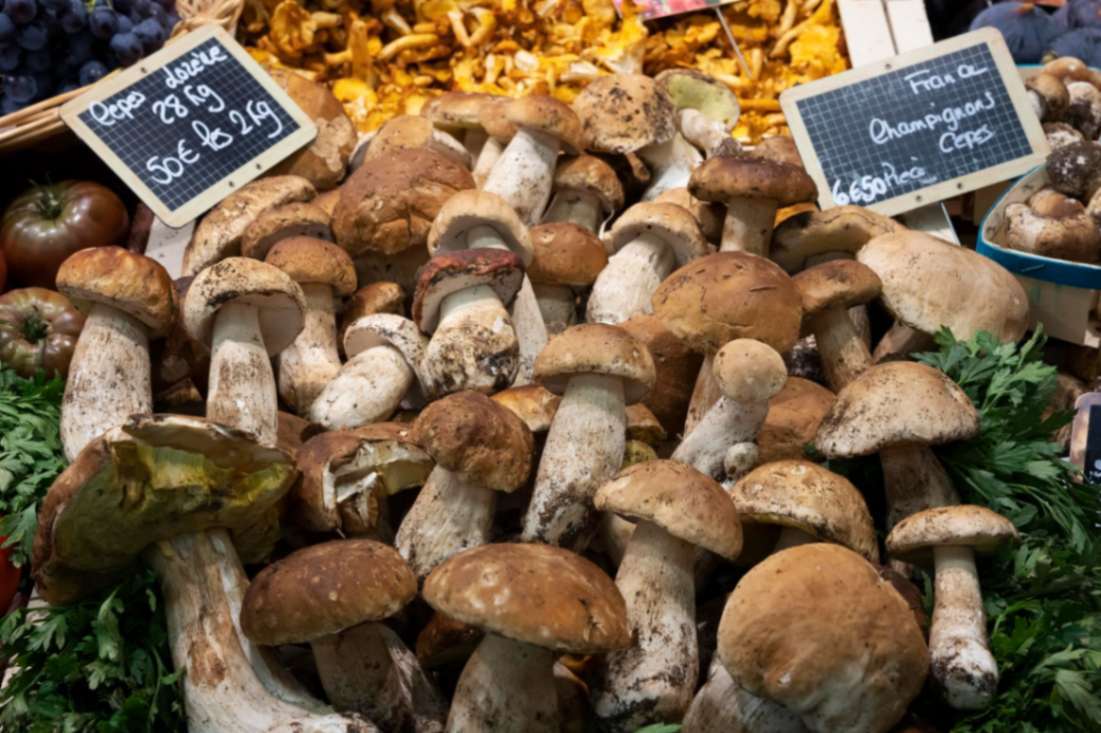
Cold Storage for Mushroom Cultivation & Export in Nepal
The demand for fresh mushrooms in Nepal is rapidly increasing because people nowadays prefer nutritious foods. But in the context of Nepal, mushroom growers encounter significant challenges soon after harvesting. The problem is that these agricultural products require special conditions for preservation since they are highly perishable. Therefore, it is extremely hard for growers to sell these products locally, let alone export them abroad. Fortunately, there is an efficient solution for such problems, and cold storage facilities are the ones that can help a lot with that.
The use of cold storage helps to mitigate this problem by creating an environment with low temperatures and adequate humidity, which assists in preserving the mushrooms in the best condition possible. With reduced spoilage rate, the mushrooms are thus preserved in the best condition for consumption locally or exported abroad.
What is Cold Storage for Mushroom Cultivation?

As far as the Nepal agriculture industry is concerned, cold storage is a specific room that has a controlled environment maintained through artificial cooling and humidity regulation, ensuring the freshness of perishable products. The temperature and humidity levels of such systems are maintained for the perfection of mushrooms. This method of mushroom preservation is very important as mushrooms lack a protective outer skin or tough epidermal layer like many vegetables, which makes them highly perishable and prone to quick spoilage.
This cold storage system works through several important control mechanisms, which include the following.
- Temperature Control: Drops the ambient temperature close to freezing, which puts the mushroom's aging process on pause.
- Humidity Regulation: Keeps the air moist so the mushrooms remain plump and do not shrivel up.
- Post-Harvest Management: Acts as the critical first stop after picking, removing field heat immediately to stop early decay.
Why is Cold Storage Important for Mushroom Farming in Nepal
The practice of growing mushrooms in Nepal is increasing at a fast pace, but mushroom farmers face huge losses as a result of the mushrooms' deterioration. But cold storage revolutionizes everything. It keeps the harvested product fresh and helps mushroom farmers reach out to distant places to sell their produce.
The following are the key reasons why cold storage is essential for mushroom farming/preservation in Nepal.
1. Extended Shelf Life
Fresh mushrooms tend to deteriorate after just a few days. With cold storage, mushrooms will remain fresh for a considerably long period, owing to slowed-down deterioration processes. The extended shelf life will help the farmer to keep their mushrooms fresh until transportation is done to the foreign country.
2. Better Export Quality
Export markets need perfect produce. Refrigerated transport will ensure that the mushrooms from Nepal maintain their firmness, good looks, and freshness all the way. It protects against the formation of any marks or spoiling the taste of mushrooms.
3. Minimization of Post-Harvest Waste
Most of the mushrooms end up being wasted due to the spoilage of the products after harvest. By using cold storage, the post-harvest loss will be minimized through the immediate chilling of the mushrooms after harvest. This ensures that the efforts used in farming result in saleable products.
4. Maintaining Consistency in Market Supply
The process of mushroom farming is usually not consistent. There are times when there can be an oversupply in the market, resulting in a fall in prices, while at other times, there may be no crops at all in the market. Cold storage ensures that the market always has the required supply.
5. Improved Farmer Profitability
When farmers lose fewer products and sell better-quality mushrooms, their earnings naturally go up. Cold storage protects their investment, allows them to sell during high-demand periods when prices are better, and opens up higher-paying export opportunities that drastically improve their overall income.
Factors Causing Quality Loss in Mushrooms

In order to ensure the safety of your produce, it is essential that you know what factors contribute to its deterioration. Mushrooms begin decomposing upon harvesting owing to their special characteristics. They are extremely vulnerable to the environment in which they thrive. The following are some of the main factors causing quality loss in mushrooms:
1. Transpiration and Water Loss
The mushroom consists of about 90% of water content and does not have a layer of skin that could protect it against water loss. As a result, it loses water very quickly by means of transpiration, thereby shrinking in size, losing its weight, and along with its attractive appearance.
2. Increased Respiration
Even after picking up, mushrooms continue to respire. Inhaling oxygen, they break down their own sugar content. This creates internal warmth and moisture. Since the respiration process in mushrooms is much faster than in other types of vegetable produce, they consume all their nutrients in no time, which can lead to quality loss.
3. Incorrect Storage Conditions
Storing the mushrooms at room temperature under the wrong temperatures and low humidity causes them to deteriorate fast. The warm temperature causes them to increase their metabolism rates, thus aging within hours as opposed to aging after days. Conversely, the dry condition causes them to lose their moisture content, making them of poor quality.
4. Incorrect Packaging and Handling
The mushrooms bruise easily. Improper handling during harvesting and packaging leads to bruises that enable the mushrooms to decay fast. Also, storing them in tight plastic containers holds the moisture content released by the mushrooms; this makes them slimy and unusable.
5. Growth of Microbes and Browning
Bacteria and fungi grow well in the moisture content of mushrooms. This leads to black and pungent spots in the mushrooms. On the other hand, the presence of oxygen causes the activity of enzymes that lead to the browning of mushrooms, giving them an aged appearance.
Cold Storage System for Mushroom Cultivation
A good cold storage facility is not just a place with low temperatures, but it is one that maintains balance. The construction of a cold storage system involves particular elements combined to achieve certain environmental conditions for mushrooms. This facility serves as a link between the harvesting and distribution stages of mushroom production.
The system is made up of various components, which all work together to provide favorable conditions for the storage of goods. The following are some of the key components found in the cold storage system for growing mushrooms.
- Refrigeration Unit: The main component in the system, which assists in cooling the room to ideal temperatures of 1°C to 4°C, which is the required temperature range for mushroom storage.
- Humidification System: It assists in ensuring that small droplets of water vapor are released into the air to maintain high humidity levels of 90–95%, which is the required humidity range for preserving mushrooms.
- Air Circulation Fans: These fans help move the air around evenly in the room to ensure that there are no warm areas where the product could be stored.
Cold Storage Role in Mushroom Export from Nepal
Mushroom exportation from Nepal to foreign markets is difficult because of lengthy transport periods and stringent controls at borders. Refrigeration is the only crucial requirement for making export possible. It ensures that the product remains fresh throughout its lengthy journey in trucks and airplanes.
The significance of this process in the exportation process can be briefly stated as follows.
- Preservation During Transit: It ensures that the mushrooms remain fresh when transported from the rural farms to the international borders.
- Meeting International Standards: It ensures that all international standards regarding texture, color, and other quality attributes are fulfilled.
- Prevents Rejection: It ensures rejection prevention on account of deterioration or unpleasant odour.
- Higher Market Value: It adds value to the overall reputation of mushrooms from Nepal in the market.
Choosing the Right Cold Storage for Mushroom Farming

All refrigeration systems are not alike, and making the wrong choice can lead to unnecessary costs and deterioration of agricultural products for you and your crop. Farmers have to consider several things before settling on a system for their needs, such as finances, quantity of daily produce, geographical location of the farm, and future plans.
The different types of cold storage systems available for mushroom farming are as follows.
1. Walk-in Cold Rooms
Such rooms are large and permanently built within an already existing building. This makes them very suitable for large-scale mushroom growing in Nepal, as they have high levels of capacity per day and require a sorting and storage place for their crates.
2. Portable Cold Rooms
This kind of cold room is easily portable and can be transported easily as it is usually found within shipping containers or small trailers. These are best suited for small-scale mushroom farming, renting land, or even collective farming efforts.
3. Modular Cold Room System
Modular rooms are constructed through the use of wall panels that interlock together. This system is ideal for small-scale farmers who can begin by building a small-sized room and expand the space later, after increasing their mushroom yield without any large investments in infrastructure.
4. Cold Rooms with Prefabricated Components
This type of system comprises prefabricated components that facilitate quick assembly. It is very effective, highly insulated, and saves farmers time during the construction process.
Common Mistakes in Mushroom Storage
Even with great equipment, simple mistakes can ruin an entire batch of mushrooms. Many farmers experience losses simply due to incorrect operations or poor habits inside the cold room. Avoiding these common errors ensures your cold storage investment actually does its job.
The following are the most common mistakes made in mushroom storage.
- Incorrect Temperature Levels: Setting a very high temperature in the environment accelerates decomposition, while setting temperatures at a lower-than-freezing level causes the formation of ice crystals, which make mushrooms soft upon defrosting.
- Failure to Cool the Mushrooms Quickly: Failure to refrigerate the mushrooms shortly after harvest and exposing them to warm conditions for several hours causes early decomposition.
- Overcrowding and Lack of Proper Ventilation: Overcrowded crates prevent cold air from circulating inside them and cause mushrooms to decompose quickly in warm pockets.
- Bad Habits of Storage Cleanliness: Failure to clean the storage floors and racks results in contamination by mold spores in new crops of mushrooms.
Conclusion
Cold storage is no longer just an amenity when it comes to mushroom cultivation in Nepal; rather, it has become a requirement for success. Maintaining stable temperature and humidity levels, it helps to reduce post-harvest loss and maintain high-quality mushrooms while directly increasing income for the farmers. In addition, it serves as the solid base from which local and export businesses can be developed. The adoption of cold storage technology is, without doubt, the way forward for Nepal’s mushroom industry.
And if you are looking for the best cold storage manufacturer in Nepal? At Nepcool, we offer efficient and reliable cold storage services for mushrooms to be farmed and exported from Nepal. Through our advanced cooling facilities and superior cold room systems, Nepcool can ensure that mushrooms remain fresh for longer.
Recommended Blog:
Cold Storage Solution for Poultry
Cold Storage Solutions for Agro Export Businesses in Nepal
FAQs
1. What is cold storage in mushroom farming?
This is an air-conditioned room fitted with cooling and humidifying devices. It maintains fresh mushrooms under low temperatures ranging between 1°C and 4°C and high levels of humidity in order to inhibit aging.
2. Why is cold storage important for mushrooms in Nepal?
Spoilage in mushrooms occurs very quickly, and due to the rough terrain in Nepal, marketing them becomes risky. Cold storage ensures that the farmers get more time to market their produce and also helps them preserve high-quality mushrooms.
3. How does cold storage increase mushroom shelf life?
It reduces the metabolism of mushrooms due to their increased respiration rates and prevents any moisture loss. With lower temperatures, no dangerous bacteria can develop in mushrooms, extending their shelf life from days to over a week.
4. How does cold storage help in mushroom export?
Cold storage helps in mushroom export by keeping the mushrooms hard, white, and fresh. It ensures that their quality and health requirements adhere to international standards, and therefore, they have minimal risk of rejection.
