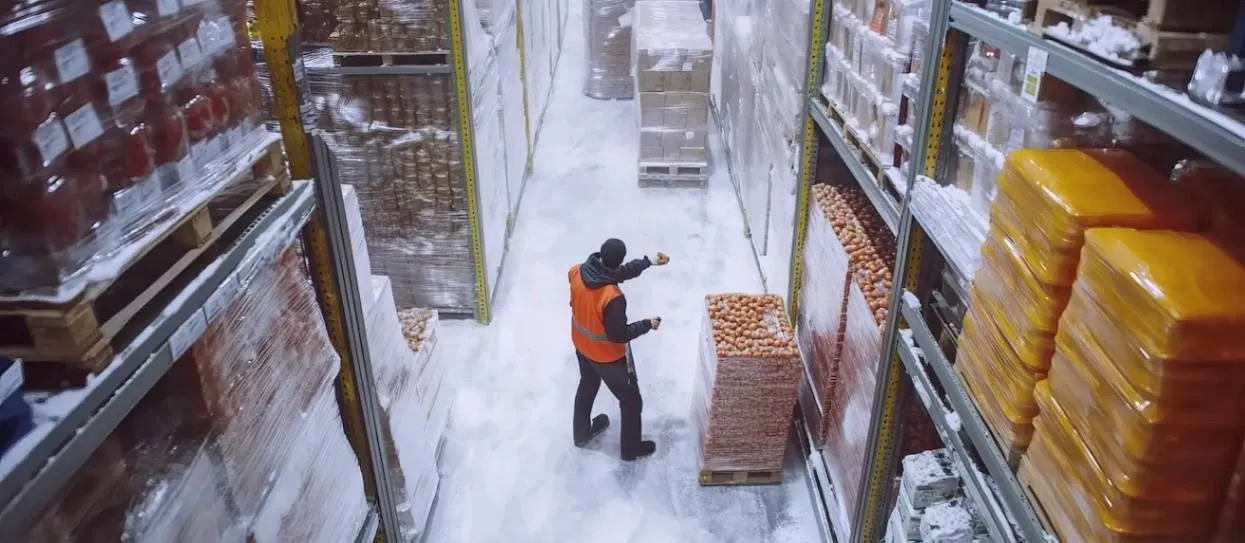
Nepal's Cold Storage Industry: Growth, Challenges and Opportunities in 2027
In Nepal, farmers and firms have to face the issue of preserving their perishables as they do not have access to adequate storage facilities. Proper cold storage facilities can help overcome such difficulties. They help maintain the required temperature, and products retain their quality for longer. As industries such as agriculture, food processing, pharmaceuticals and hospitality continue to expand, the demand for reliable cold storage facilities is also gradually increasing in Nepal. However, its development also depends on overcoming existing challenges and making better use of future opportunities.
In this blog, we explore Nepal's cold storage industry, growth of cold storage facilities in Nepal, major challenges faced by Nepal's cold storage industry, opportunities for cold storage industry in Nepal and how Nepcool is supporting Nepal's cold storage industry.
Overview of Nepal's Cold Storage Industry

Agriculture is one of the main sources of income for many people in Nepal. In maintaining the country's agricultural and food supply chain process, Nepal's cold storage industry plays a crucial role. Alongside agriculture, with the growing infrastructure, Nepal is also rapidly progressing in the medical sector. The cold storage industry offers good storage facilities for items like fruit, vegetables, meat, dairy products, and medications that would otherwise not remain fresh. Cold storage is especially important for farmers and firms that need to keep their goods in storage prior to selling them. In recent years, there has been an increasing demand for cold storage due to growth in various industries, including agriculture and food processing, among others. Access to these storage facilities has been limited in many parts of the country, as farmers are unable to preserve their produce and must sell their harvest immediately. This can lead to spoilage, lower produce quality and financial losses.
The Growth of Cold Storage Facilities in Nepal
Although Nepal is not new to cold storage facilities and they have established themselves in Nepal, they are still growing at a rapid pace. The demand for cold storage facilities in Nepal is increasing with the expansion of commercial agriculture and medical facilities, alongside meat and dairy industries. Due to this growth, cold storage facilities help in preserving perishable products, reducing post-harvest losses and maintaining the quality of medical, meat and dairy products. Some of the key aspects regarding the growth of storage facilities in Nepal are:
1. Government Initiatives and Agricultural Modernization
The Government of Nepal has introduced various programmes to improve agricultural infrastructure and reduce post-harvest losses. The Prime Minister Agriculture Modernization Project (PMAMP) has supported the establishment of cold rooms and other storage facilities across different provinces. Such efforts seek to facilitate farmers' ability to store their produce for longer periods without reliance on market sales. Agricultural cooperatives and local authorities have also been engaged in construction of storage facilities. The major problems facing many such facilities include operation costs and maintenance.
2. Increasing Private-Sector Investment in Cold Storage
The involvement of the private sector in the cold storage industry in Nepal has gained significance. Companies have invested in refrigerated storage and cold chain infrastructure in order to assist the storage and distribution of fruits and vegetables, dairy products, meat and other perishables. Supermarkets and food processing industries are developing, and therefore there is an increasing demand for commercial refrigeration. This will also help in efficient management of products as well as minimizing spoilage while transporting and distributing the products. However, high initial capital expenditure and cost of electricity are the main hurdles.
3. Expansion of Cold Storage Facilities Across Agricultural Regions
The facilities for cold storage are slowly but steadily becoming a part of the areas where agriculture is carried out in Nepal. Areas where crops such as potatoes, apples, citrus, vegetables, and other crops that require cold storage are being produced are in dire need of storage facilities. The proximity of these facilities to the farm allows the producers to keep their products in storage rather than selling them immediately at low prices due to the seasonality of the harvests.
4. Growing Demand for Cold Chain Infrastructure
With the development of the food retailing industry, restaurants, and the food processing industries, the demand for efficient cold chain infrastructure has increased in Nepal. The cold chain logistics services like cold storage, refrigerated transportation, and refrigerated distribution are of great help in maintaining the quality of the product. These services are more applicable to items such as dairy products, meat products, fish, frozen food, and fresh products. With growing consumer demand for processed food, companies need more efficient methods of refrigerating and transporting their products.
Major Challenges Faced by Nepal's Cold Storage Industry

Although Cold storage facilities in Nepal are growing at a rapid pace, they are not without challenges. In fact, we can even say that there are still many challenges that we have yet to address completely when it comes to this sector. That said, it should be noted that there is an ongoing effort to address the key challenges faced by Nepal's cold storage industry. Some of these major challenges include:
- High Initial Investment: Expensive land, construction, refrigeration equipment, and insulation systems.
- Expensive Electric Bills: The constant demand for power and unreliable electricity supply result in high costs.
- Poor Infrastructure in Rural Areas: Lack of sufficient number of refrigeration plants in rural agricultural areas.
- Poor Transportation: Insufficient provision of refrigerated trucks and transportation network.
- Unreliable Demand: Changes in the volume of agricultural production result in poor utilization of storage facilities throughout the year.
- Poor Financial Situation: Insufficient capacity to obtain loans and investments at low interest rates.
- Problems in Maintenance: Expensive maintenance, outdated equipment, and lack of spare parts and experts.
Opportunities for the Cold Storage Industry in Nepal in 2027
While there are challenges regarding the development of the cold storage industry in Nepal, there are also opportunities within. As Nepal progresses in time and development, these opportunities are presenting themselves more. Growing demand for fresh meat and dairy produce, increased demand for frozen foods, and growth of medical facilities, alongside an increased focus on agriculture, are presenting more opportunities in the upcoming year of 2027. Some of these key opportunities include:
1. Investment in Modern Cold Storage Infrastructure
Due to more agricultural practices and food processing industries, it is now possible to develop modern refrigeration systems in Nepal. Energy-efficient refrigeration, automation of temperature control systems, and large warehouse capacity can be achieved with investments. The agricultural centers and areas with high production levels make good sites for setting up cold storage systems.
2. Development of Cold Chain Logistics and Transport
The emergence of refrigerated transport and logistics will give another area to develop in the industry. Companies can purchase refrigerated vehicles and other equipment needed to distribute their goods across different channels from farms, through storage facilities, and to urban areas. Such equipment is especially useful when transporting dairy products, meat, fish, and agricultural products.
3. Increase in Food Processing and Retailing Sectors
Supermarkets, restaurants, hotels, and food processing firms are growing in number and will be increasingly in need of dependable cold storage systems. These establishments will need appropriate facilities to store their raw materials, frozen goods, dairy products, and processed food. Cold storage providers can create special facilities to cater to commercial organizations and food processors. There are many possibilities for getting into storage contracts and business ventures.
4. Agricultural Cooperatives and Farm-Based Cold Storage
There is a possibility of establishing agricultural cooperatives and farm-based cold storage facilities. Farmers will have the advantage of having facilities that will provide refrigeration at an affordable price because the cost of the establishment and maintenance will not entirely fall on the farmers.
5. Growth of Healthcare and Pharmaceutical Facilities
As the number of hospitals, testing centers, pharma organizations, and health care centers increases in Nepal, there is a need for cold storage units, which would be required to preserve vaccines, medicines, blood, test samples, and medical equipment that need to be stored under controlled temperature conditions to preserve their quality. This will provide opportunities for setting up medical cold storage facilities along with efficient refrigeration and temperature monitoring systems. There might be a need for dedicated cold chain transportation services from the pharmaceutical distributors as well.
How Nepcool Is Supporting Nepal's Cold Storage Industry?

As far as the development of the cold storage industry in Nepal is concerned, we can't overlook the entities that are working in conjunction with it. And one such entity is Nepcool, which is one of the best cold storage manufacturers in Nepal. Some of the main ways in which Nepcool is helping Nepal's cold storage industry are as follows:
- Customized Cold Storage Rooms: They offer customized cold rooms that have been designed to maintain temperatures as per industry requirements.
- Refrigerated Transportation: They provide their clients with refrigerated trucks and transport refrigeration systems.
- Agricultural Storage Solutions: They provide assistance to farmers and agricultural businesses to help them preserve their fruits, vegetables and other perishable products.
- Medical and Pharmaceutical Storage: They provide temperature-controlled rooms in order to store vaccines, medicines and medical supplies.
- Food and Dairy Industry Assistance: They provide solutions for refrigerating meat, poultry, dairy products and frozen foods.
- Blast Freezing and Chilling Rooms: They provide customized solutions for blast freezing, freezer rooms and chiller rooms.
- Energy Efficient Refrigeration Systems: They provide refrigeration solutions for maintaining the required temperature while minimizing energy consumption.
Conclusion
It is crucial for developing the cold storage industry in Nepal due to its role in increasing agricultural production, distribution of food products, healthcare and many more industries dependent on temperature-controlled storage systems. Building a good cold storage facility involves proper infrastructure, capable manpower, energy-saving refrigeration systems and enhanced cold chain connectivity. With growing demand for suitable refrigeration systems, organizations should take steps to install refrigeration systems suitable for the storage and transportation needs of the business. The use of proper refrigeration systems may ensure reduced product loss and increased efficiency.
For those who are searching for a company that provides reliable cold storage solutions for their business, we are here to assist you in selecting a suitable cold storage system for your organization. We are one of the best cold storage room and transport refrigeration manufacturing companies in Nepal. Please contact us today regarding your requirements.
FAQs
1. What is responsible for the growth of the cold storage industry in Nepal?
The growth in the commercial agricultural, food processing, healthcare, meat, and dairy industries is resulting in the expansion of cold storage in Nepal. Growth will be seen due to government initiatives as well as private sector investments.
2. What are the opportunities for the cold storage industry in Nepal for 2027?
Opportunities for the cold storage industry in Nepal in 2027 include investing in advanced cold storage solutions, solar-powered refrigeration, cold chain logistics, agricultural co-operatives, food processing and healthcare/pharmaceutical cold storage.
3. How does Nepcool aid in the growth of the cold storage industry of Nepal?
Nepcool is contributing to the growth of the cold storage industry of Nepal by providing custom-designed cold rooms, refrigerated transportation services, blast freezers, chill rooms and refrigeration systems for agriculture, medical, food processing and dairy industries.
