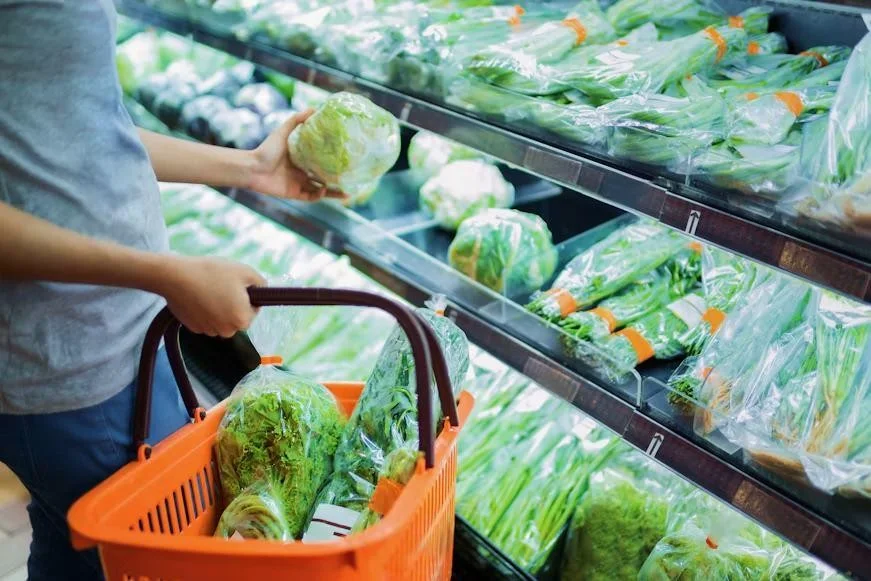
Why Nepal Loses 30% of Its Harvest Every Year - And How Cold Storage Fixes It
Nepal is an agriculture based country, where a large number of the population is dependent on agriculture. It supports many families across the country. However, to keep agricultural produce fresh after harvesting requires proper handling, storage, and transportation techniques. Many farmers struggle to keep their harvested produce fresh and in good condition until it reaches the market. As a result, post-harvest losses have become a major issue for the country’s agricultural sector. Post- harvest losses are caused due to damage, spoilage or deterioration in the quality of agricultural produce. This happens because of improper handling and storage of produce after harvest. Due to the lack of storage facilities, farmers in Nepal face many challenges in keeping their produce fresh and maintaining its quality before it reaches the market. So, cold storage rooms play an important role in solving this problem. Cold storage rooms provide appropriate temperature and humidity levels, extending the shelf life of perishable produce, maintaining quality and preserving its nutrition value for a longer period. With the right cold storage, farmers can reduce loss, protect their produce, and earn better returns from their harvest.
This blog discusses post-harvest loss, why Nepal suffers huge losses every year, how cold storage can help to reduce this loss and how it can help to strengthen the agricultural supply chain and how Nepcool can help save the post harvest in Nepal.
What is Post-Harvest Loss?
Post harvest loss is the reduction or deterioration of the quality of agricultural produce due to poor handling, storage and transport. For farmers who produce perishable goods like fruits and vegetables, post-harvest loss has become one of the major challenges. Post-harvest loss also affects the availability of fresh produce to consumers. If not handled properly, produce may spoil before reaching the market, which could affect the income of farmers and the volume to sell in the market. Agricultural produce can be preserved through proper handling and storage of the produce in a suitable cold storage facility with proper humidity and temperature. This helps to reduce unnecessary food wastage.
Why Nepal Loses 30% of Its Harvest Every Year?
Even though Nepal is an agricultural country, a huge amount of harvested produce is lost every year, estimates reaching around 30%. Various factors are associated with this issue, such as lack of proper storage infrastructure, poor handling methods, extended travel time, and inappropriate storage conditions. The factors are briefly discussed below:
- Lack of Proper Storage Facilities: In Nepal, farmers and agricultural organizations lack proper storage facilities to store their harvested crops. The study conducted by UNDP (United Nations Development Programme) reveals that approximately 20-35% of fruits and 15-30% of vegetables are lost during harvesting, storage and transportation of the produce.
- Poor Transportation and Handling: Bruises, crushing, and damage can occur to fruits and vegetables during packaging, loading and transport, particularly on long journeys on rough roads. The geographical diversity in Nepal makes it difficult to transport fresh vegetables from the farming areas to the main markets and exposes them to the risk of spoilage and quality degradation during transportation.
- Seasonal Oversupply: Many farmers tend to grow similar produce in the same season. It becomes difficult for them to sell these produce in time since it tends to perish. Due to improper and poor storage facilities, farmers find themselves compelled to sell their produce urgently and at lower prices.
- Unsuitable Storage Conditions: Fruits and vegetables are sensitive to external environments like temperature and humidity level, which results in the spoiling of produce if the storage environment is not appropriate. This results in higher post harvest losses and reduced farmer's income.
How Does Cold Storage Help Reduce Post-Harvest Losses?

Post harvest loss is usually the result of improper handling, storage and transport of fresh produce. Fruits and vegetables are very sensitive to external factors such as temperatures and humidity level. The moisture content and quality of fresh produce is impacted by high temperatures and inadequate humidity. This leads to spoilage of produce even before they get to the market. Cold storage helps to minimize these losses by providing a safe environment which reduces the rate of spoilage process occurring in produce. It also offers a better opportunity for farmers and suppliers to store, transport and market their produce.
Some ways that cold storage help reduce post-harvest losses are briefly described below:
1. Slows Down Spoilage After Harvesting
After the harvesting process is completed, the produce continues to ripen and start aging. The ripening process becomes much faster at higher temperature, causing the spoilage of the produce before getting to the markets. Cold storage rooms provide suitable temperature that enables the produce to age slowly. It helps farmers and suppliers to keep the freshness of the harvest for a longer period of time before selling it.
2. Prevents Moisture Loss and Quality Deterioration
Due to improper storage conditions, fruits and vegetables lose moisture content, get soft and turn bad in quality quickly. Appropriate temperature and humidity levels help in reducing these changes and maintain the quality of produce. This is necessary for the preservation of its look, texture, and nutritional content, making it best for sale and consumption.
3. Gives Farmers More Time to Sell Their Produce
During harvest season, sometimes farmers have excess production which they are unable to sell within a short time. Some of it can spoil meanwhile, if not stored properly. In such cases, cold storage plays an important role by keeping produce fresh until farmers are ready to sell it. It gives them enough time to search for buyers and make sales plans instead of hurrying to sell their whole harvest.
4. Reduces Spoilage During Transportation
Fruits and vegetables tend to go bad during long trips, especially during summertime. It becomes important to use refrigerated transport in such cases to keep the temperature appropriate for produce. As a result, spoilage during transportation is minimized and more of the produce reaches its destination safely.
The Role of Cold Storage in Strengthening Nepal’s Agricultural Supply Chain

There are several steps involved in bringing the produce from the farm to the customer, such as packaging, storing, transporting and distributing. Maintaining the freshness of the fruits and vegetables while transporting can be a tough task, especially when produce needs to travel long distances from farms to markets. The cold storage helps the farmers, wholesalers and distributors to store the produce for a longer period of time. Some role of cold storage in strengthening Nepal’s agricultural supply chain is given below:
1. Maintains Regular Supply of Produce
Many fruits and vegetables are available in specific seasons. It's difficult to find them throughout the year. To solve this problem, cold storage plays an essential role. It is useful to maintain appropriate produce in the off-season which helps in facilitating the suppliers to fulfill the market demand for a longer duration.
2. Supports Agricultural Business
Cold storage is advantageous for farmers, wholesalers, and distributors. This enables them to manage their stocks, prevent losses due to spoilage, and provide their customers with a continuous supply of their goods. It also helps businesses to make the best use of their produce and reduce losses during storage and distribution.
3. Improves Access to Markets
Nepal is a geographically complex country where transportation of fresh agricultural produce from the local farms to the markets is challenging. The produce can be stored in cold storage for long-distance transport to ensure the freshness and quality of the product until it reaches the market.
How Nepcool Helps Reduce Post-Harvest Losses in Nepal?
Maintaining freshness of agricultural produce after harvesting requires proper storage conditions and appropriate refrigeration systems. Businesses struggling with storage problems, Nepcool's cold storage solution can be valuable in helping with the protection of perishable goods. Some ways how Nepcool helps to reduce post-harvest losses in Nepal are briefly described below:
- Nepcool provides reliable cold storage solutions with a wide range of temperature and humidity levels for different types of agricultural produce.
- With appropriate storage rooms, Nepcool helps businesses preserve the freshness and quality of fruits and vegetables for longer.
- Cold storage solutions provided by Nepcool helps agricultural businesses manage their harvested produce more efficiently and plan distribution with higher flexibility.
- Nepcool’s cold storage solution helps to keep produce fresh for longer making it easy to transport and reliable market supply.
Conclusion
A successful harvest does not always guarantee a good return for farmers in Nepal. The condition of their produce by the time it reaches the market also plays an important role in determining their earnings. When fruits and vegetables are not handled correctly, they can spoil before reaching consumers, resulting in food waste and economic losses for farmers. Cold storage helps address this problem by providing suitable storage conditions for fresh produce, extending its shelf life, and giving farmers and suppliers more time to manage distribution. It also supports a consistent supply and improves agricultural distribution.
Businesses looking for reliable refrigeration solutions can consider Nepcool, one of the best cold storage rooms and refrigerated transport manufacturers in Nepal. Nepcool provides cold storage solutions and refrigerated transport systems designed to maintain product freshness, reduce post-harvest losses, and support the safe transportation of agricultural produce. You can also check out our other blogs to learn more about cold storage solutions in Nepal. Get in touch with Nepcool to discuss your business requirements.
FAQs on Nepcool
1. How does Nepcool help reduce post-harvest losses in Nepal?
Nepcool offers cold storage solutions to help keep suitable storage conditions for fresh produce. It helps to reduce spoilage, maintain quality and minimize losses before bringing fruits and vegetables to the market.
2. Can Nepcool’s cold storage solutions help farmers keep their produce fresh for longer?
Yes, the cold storage solutions offered by Nepcool helps to provide suitable storage conditions which extend the shelf life of perishable items and keep them fresh. This allows farmers and suppliers more time to store, transport and sell harvest.
3. How can Nepcool help agricultural businesses manage produce transportation?
We provide both cold storage room and refrigerated transport to ensure that the business can safely transport and deliver the produce at the right temperature and relative humidity. This enables proper transportation of goods without causing any loss to the produce.
