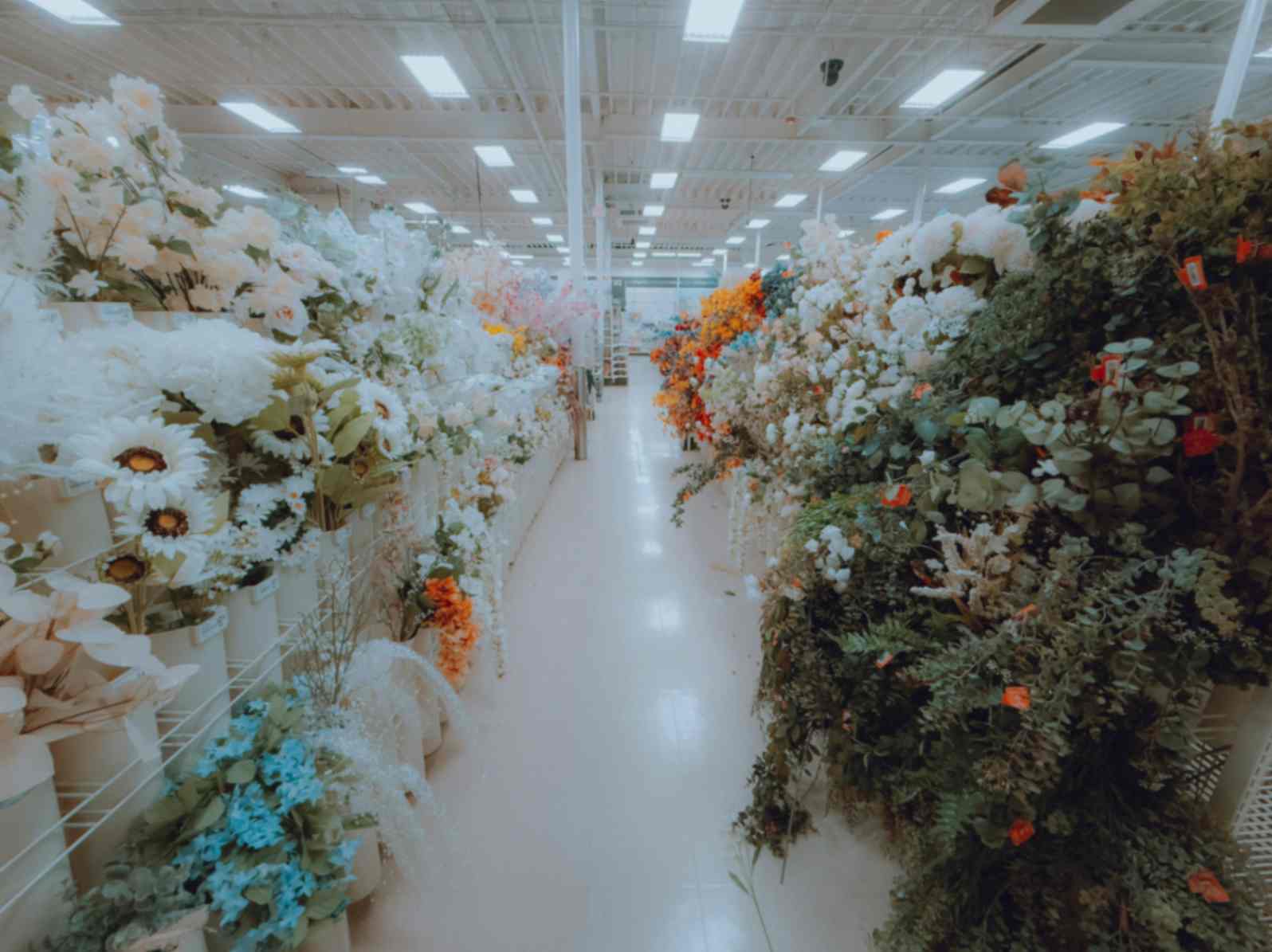
Cold storage for flower & floriculture businesses in Nepal
Cold storage plays a vital role in the floriculture industry because they help to preserve the freshness, quality, and market value of flowers after harvest. As the flowers are perishable products, they can deteriorate quite fast due to transpiration, loss of water content, and bacteria attack. Nowadays, floriculture is becoming an important agricultural part in Nepal. Through the use of efficient cold storages, you can minimize post-harvest losses and supply flowers throughout the year even during off-season. Moreover, through the use of technologies like pre-cooling chambers, walk-in floral coolers, controlled atmosphere storage, and refrigerated transport, you can allow florists and sellers to keep flowers fresh in storage and transit. At present, there is a high demand for flowers, and cold storages have become an integral part of Nepal's floriculture business.
In this blog, we provide information regarding the importance of cold storage in floriculture, types of cold storage systems suitable for floriculture, cold storage requirements for different flower types and challenges in implementing cold storage for floriculture in Nepal. Along with this, we also give insights about technological innovation in cold storage for floriculture and future opportunities for floriculture cold storage in Nepal.
Importance of Cold Storage in Floriculture
Since the flowers are highly perishable, they can deteriorate quickly, so proper temperature control is required to preserve their freshness and quality. To maintain the accurate temperature for a longer period of time, high-quality cold storage is required. The cold storage not only extends the vase life of flowers, but it also controls the microbial growth, which results in improved preservation of post-harvest quality and reduced decay. Below are some of the importance of cold storage in floriculture.
Extends vase life and freshness: After harvest, flowers continue to respire, which results in rapid aging and wilting. The cold storage helps in slowing down the process of transpiration and metabolic activities, helping flowers to stay fresh for a longer period of time while extending their vase life.
Reduces post-harvest losses: In floriculture, the amount of loss of flowers is very high because of wilting, discoloration, and decay. It happens mainly during transport and marketing. For avoiding the loss, cold storage maintains the appropriate storage conditions like temperature and humidity.
Controls ethylene effects: Many flowers produce ethylene gas, which increases the speed of wilting and petal drop. The cold storage controls the optimal temperature and reduces the production of ethylene gas.
Maintaining Hydration: The flowers are very fast to lose moisture once they have been harvested. This might result in wilting and poor quality. The cold storage helps in maintaining an optimal humidity (usually between 90% and 95%), helping the flowers to stop from wilting, reducing water loss and keeping their turgor pressure stable.
Helps in demand management: Most flowers are seasonal and have high demand during off-seasons, festivals, weddings and holidays. The cold storage allows florists to store their flowers temporarily and release them when market prices are favorable. This helps floriculturists to achieve more profit.
Types of Cold Storage Systems Suitable for Floriculture
Cold storage systems play a vital role in floriculture. It helps to preserve the quality, freshness, and market value of flowers after harvest. There are different types of cold storage systems that are suitable for floriculture. This system helps to maintain the optimal environmental conditions to ensure that flowers remain fresh during all times (marketing, transportation and low demand periods). Below are the types of cold storage systems that are suitable for floriculture.
Pre-Cooling Rooms
It is a specialized cold room that helps to remove the field heat quickly from harvested flowers. By removing heat, this room slows down the transpiration process and production of ethylene gas. It initially uses the high-velocity, refrigerated airflow to reduce the temperature of flowers rapidly before entering long-term storage. This helps to preserve the quality of the flowers, as well as extending their vase life.
Standard Walk-In Floral Coolers
Standard Walk-In Floral Coolers are traditional, insulated, walk-in cold rooms commonly used by florists to preserve flowers. It works by utilizing the specialized dual-airflow evaporators and microclimate sensors to keep the optimal condition (usually between 2°C to 8°C). It also helps to maintain a high RH of 90-95% to avoid wilting.
Modified and Controlled Atmosphere (MA/CA) Systems
This system is an advanced, airtight cold storage room which is best for storing flowers in bulk. In this sealed room, the internal air is adjusted carefully. This room not only controls the temperature and humidity, but also helps in regulating the levels of oxygen (O?), carbon dioxide (CO?), nitrogen (N?), and ethylene gas actively. The MA/CA system helps the flowers to stay in the dormant state, helping to extend the vase life.
Refrigerated Shipping Containers (Reefers)
Refrigerated Shipping Containers also known as refrigerated transport is a portable, temperature-controlled container which is used for transporting flowers from one place to another via road, rail and sea. This cold room is heavily insulated and equipped with industrial plug-in refrigeration units to maintain a consistent low temperature and humidity. It can be controlled and monitored remotely by mobile devices. They maintain a stable environment throughout transit and are also widely used in the international flower trade.
Solar-Powered Hybrid Cold Rooms
The solar power hybrid cool room is a room that makes use of solar power in combination with grid electricity and battery backup to keep flowers fresh over time. It is particularly useful in places where there are continuous electricity supplies. It helps to prevent immediate post-harvest spoilage of flowers. This cold room controls the temperature and humidity which allows flowers to retain their freshness, quality, and vase life for a longer period of time.
Cold Storage Requirements for Different Flower Types

For various flower types, there are different cold storage requirements. The storage conditions suitable for one flower type may not be appropriate for another, which can result in deterioration of quality. Therefore, each of the flowers requires different specific requirements to extend their vase life and maintain their freshness and quality. Below is a quick guide to the cold storage requirements for different flower types.
Challenges in Implementing Cold Storage for Floriculture in Nepal
In implementing the cold storage for floriculture in Nepal, you may face some challenges. Such challenges may have implications on the efficiency, cost effectiveness and the business in general. However, through knowing such challenges ahead, you can come up with ways of ensuring that you gain the most out of cold storage and avoid any risk associated with it. Some of the challenges you are likely to face when using cold storage for your floriculture business in Nepal include:
- High initial investment costs: Opening your cold storage facilities for floriculture in Nepal requires a high investment. You need to spend substantial money on refrigeration equipment, insulated structures, temperature-control systems, and backup power sources, which can place a significant financial burden on small and medium-sized floriculture businesses.
- Unreliable electricity supply: In many areas in Nepal , there is unreliable electricity supply; therefore, you may suffer from frequent power cuts and voltage fluctuations. It becomes very problematic because the cooling system requires constant electricity. If the proper electricity is not given to cold storage, the flowers may get spoiled.
- Lack of technical expertise: For the proper management of cold storage systems, highly trained technical expertise is required to control the temperature, humidity and post-harvesting handling. However, in Nepal, there is a lack of such technical expertise.
- Low awareness among florists: Many florists generally lack adequate information about the advantages of using cold storage technology. This lack of appropriate knowledge can result in low adoption of cold storage technologies by them.
- Transportation challenges: The bad roads and hilly landscape can make transportation slow and tough. This may disrupt the cold chain and reduce flower quality before they reach the destination.
Technological Innovations in Cold Storage for Floriculture

As the technology advances rapidly, cold storage technology also continues to evolve. This can greatly assist the floriculture industry in improving the flower preservation, increasing efficiency, lowering the post-harvest losses and keeping up with the consistent quality of products along the whole supply chain. The technologies used for cold storage in floriculture are presented below:
- IoT-based monitoring and control: With the help of the Internet of Things (IoT) technology, you can monitor the temperature, humidity, and other storage conditions via sensors and other connected devices. The application of the technology allows getting alerts and controlling the process remotely thus raising storage efficiency.
- Modified Atmosphere (MA) technology: This technology alters the gas composition surrounding flowers by reducing oxygen and increasing carbon dioxide levels. This results in slow transpiration, ethylene gas suppression and controls the microbial growth. This helps in extending the vase life of flowers.
- Controlled Atmosphere (CA) storage: It is the technology which manages the gases including oxygen (O?), carbon dioxide (CO?) and ethylene in the storage room. Such technology ensures a long life of the flower with good quality and is useful in export-oriented floriculture.
- Energy-efficient refrigeration systems: Nowadays, modern cold storage uses advanced compressors, insulation materials, and cooling technologies to reduce energy consumption.
Future Opportunities for Floriculture Cold Storage in Nepal
The future scope of floriculture cold storage in Nepal seems bright due to the increased demand for flowers in the coming years. As a result of technological development, improved infrastructure, and investments in the floriculture industry, the floriculture cold storages could help floriculture businesses avoid losses, increase their market reach, and ensure sustainable growth. Below are the future opportunities for floriculture cold storage in Nepal.
Import Substitution: Every year, around 20% of cut flowers and 60% of decorative plants are imported into Nepal to satisfy the local demand. The cold storage room enables local farmers to store perishable flowers for a longer time to stabilize the market throughout the year and to reduce the import of flowers.
Government Subsidies: The government of Nepal supports the development of cold storage facilities through various subsidy programs. In the framework of the Prime Minister Agriculture Modernization Project (PMAMP), the government provides business enterprises with grants up to 50% for the construction of cold rooms and storage chambers. The policy on promotion of floriculture also provides businesses with tax incentives and infrastructure development incentives.
Sustainable Technology: The innovation such as solar-powered mobile cold storage systems are becoming a practical solution for remote and off-grid areas of Nepal. These systems help in lowering the cost of electricity for cold storage and make the process more cost-effective for floriculture businesses.
Conclusion
Cold storage is essential for the sustainability of floriculture industries in Nepal. It allows extending vase life, minimizing losses during harvesting, ensuring the quality of flowers, and effective transportation and marketing. Despite some difficulties like expensive investments, energy needs, and poor awareness among florists, the innovative developments in this area and support from government and private organizations present numerous opportunities for the development of cold storage technology in Nepal. Using advanced and energy-saving cold storage technology allows you to make your business more competitive on the market. You can increase the efficiency of your enterprise, develop export capacities, and provide consumers with good quality flowers.
In this blog, we provided information regarding the importance of cold storage in floriculture, types of cold storage systems suitable for floriculture, cold storage requirements for different flower types and challenges in implementing cold storage for floriculture in Nepal. Along with this, we have also given insights about technological innovation in cold storage for floriculture and future opportunities for floriculture cold storage in Nepal. For further information regarding cold storage rooms, do check out some other blogs. Additionally, if you are in search of the best cold storage room, contact Nepcool - one of the best cold storage rooms and refrigerated transport manufacturers in Nepal.
FAQs on Cold storage for floriculture
1. What types of flowers benefit most from cold storage?
Flowers such as roses, carnations, tulips, and lilies benefit most from cold storage rooms. By controlling their temperature and humidity, the cold storage may allow flowers to slow down their transpiration process, reduce their water loss and increase their vase life for about 2-3 weeks.
2. How does ethylene gas affect flowers?
Ethylene gas acts as an ageing accelerator. It affects the flowers by accelerating the aging, petal drop, wilting, yellowing and bent neck.
3. Does the Government of Nepal provide support for cold storage projects?
The government of Nepal provides support for cold storage projects by conducting various government programs and agricultural initiatives. They offer subsidies, grants, and incentives to encourage the development of cold storage infrastructure.
